Can Electric Cars Be Towed? EV Recovery After a Breakdown
Updated 3 November 2026.
Electric cars can be recovered and transported, but you should not assume that towing one on a rope follows the rules for a conventional car. The method depends on the model, drivetrain and condition. Full transport on a flatbed is often recommended. Whether a wheel lift, dollies or short rolling movement is permitted must be checked in the particular vehicle's instructions.
If your EV breaks down, first consider a safe place and tell the assistance service that the vehicle is electric. Do not experiment with towing to recharge the battery. This guide explains the difference between transport and short repositioning, why Neutral is insufficient evidence of permission, and what to check before recovery.
Why does wheel rotation matter?
In many EVs, the wheels are mechanically connected to the motor through reduction gearing. Turning the wheels can also turn the motor and generate electrical energy. The consequences depend on drivetrain design and system conditions, so a single instruction cannot apply to every vehicle. EV transmissions vary; saying that no electric car has a gearbox is inaccurate.
Selecting N does not necessarily disconnect the motor mechanically from the wheels. Cooling, lubrication and drive controls may not be operating under the conditions needed for road towing. Permission to select Neutral or allow a car to roll is therefore different from permission to tow it to the next town.
Rope towing, flatbeds and recovery dollies
With full flatbed transport, the car's wheels rest on the truck rather than rolling along the road. The recovery service must select capacity and loading equipment appropriate to the vehicle's weight, clearance and damage. Securement should follow the designated points and instructions without loading the battery enclosure or unsuitable suspension components.
Dollies and wheel lifts are professional equipment. They may be used to handle locked wheels or provide a transport arrangement explicitly permitted by the manufacturer. Their presence does not allow unlimited speed or distance. The vehicle instructions and the recovery equipment's own ratings both apply.
The UK Department for Transport guidance for recovery operators emphasises consulting manufacturer procedures. It is a technical reference here, rather than a statement of Ukrainian road-traffic rules. The recovery team should identify the vehicle before choosing a method.
What does a transport or tow mode permit?
Tow Mode, Transport Mode and service modes do not necessarily mean the same thing across brands. A mode may allow a car to be rolled a short distance or winched onto a flatbed. The vehicle must be secured against unintended movement before the procedure, following the manual and under professional control.
There is no universal “under 10 km/h” permission for all EVs. Low-voltage power, a detected key or an accessible screen may be prerequisites for a particular procedure. If the parking brake will not release, wheels are locked or the mode is unavailable, do not overcome the resistance with a rope. Suitable loading equipment is needed instead.
Tesla Model 3, Nissan Leaf and other models
For the Tesla Model 3, the manufacturer requires all wheels to remain off the road during transport. Tow Mode is for loading or short repositioning, not road towing. Do not automatically apply its procedure to the Model S, X, Y or another production year.
The 2023 Nissan Leaf manual describes transport with the driven front wheels raised or on a flatbed. Consequently, saying that every Leaf can only use a flatbed is too broad. That manual nevertheless prohibits towing with the front wheels rolling on the ground.
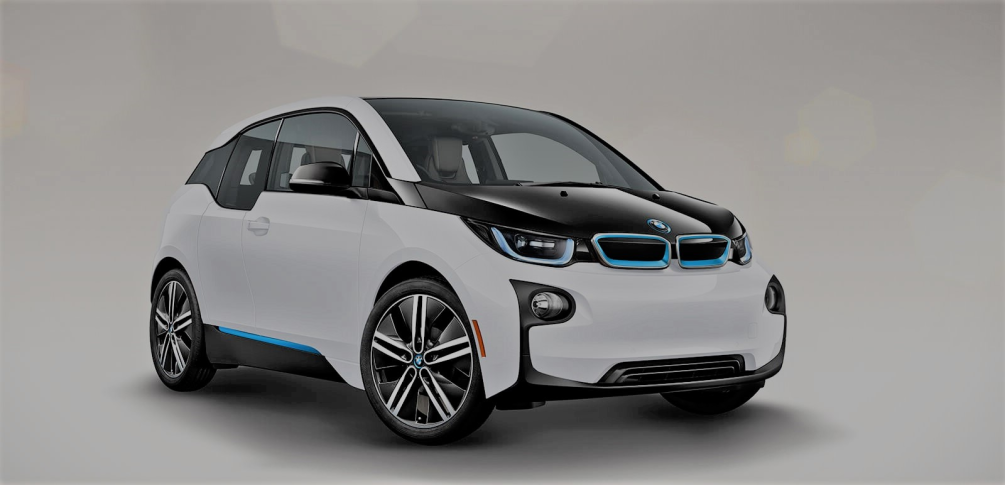
For a Volkswagen ID.3/ID.4, Hyundai IONIQ/Kona Electric, BMW i3, BYD Song Plus or Chery, find the recovery section for the exact model, year and destination market. A brand-wide permission table does not replace it. Identify the correct manual using the VIN and share the relevant page with the dispatcher. Front-wheel, rear-wheel and all-wheel drive configurations may require different handling.
What if the battery runs out?
Distinguish a depleted traction battery from a low-voltage power problem. The latter can prevent locks, the screen or parking-brake controls from operating even when driving energy remains. Do not dismantle high-voltage components or connect an external power source by guesswork. The assistance service must identify the fault and follow the appropriate procedure.
Mobile charging is an option only where a suitable service exists and the vehicle and equipment are compatible and operational. It is not available everywhere and cannot be assumed cheaper than recovery. A portable EVSE is not an energy-storage battery: it still requires an appropriate electricity supply. Read our guidance on what to do when an electric car runs out of charge for the distinction between these situations.
What to tell the recovery dispatcher
Give the make, model, year, drivetrain and exact location. Explain whether the stop followed depleted charge, a fault, a collision or water exposure. Say whether the key is available, the screen works and the wheels can roll. Mention low clearance, damaged wheels, underground parking and height restrictions at the entrance. Send photographs only where doing so is safe.

If there is smoke, significant heating, an unusual smell or apparent battery damage after an impact, move to a safe place and contact emergency services. Do not touch damaged cables or attempt to charge the car. The recovery team needs to know about possible high-voltage damage before work begins.
Reducing the risk of becoming stranded
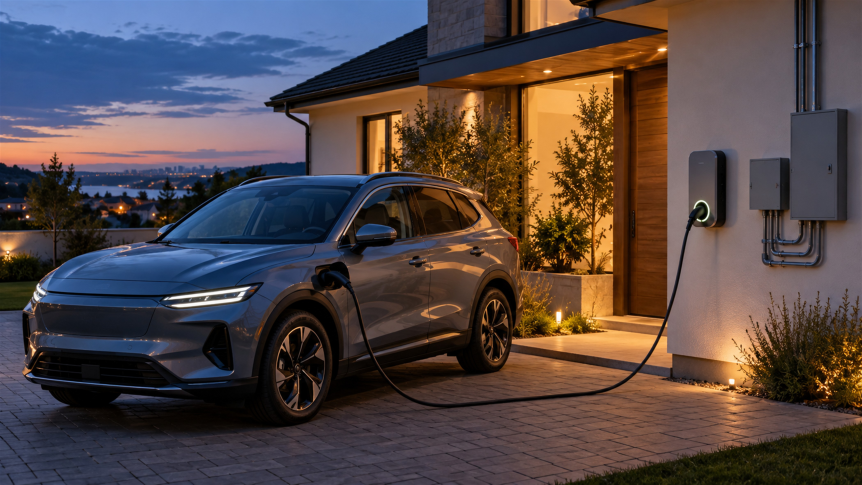
Plan an energy reserve and an alternative charging stop. Use the TOKA map to check connectors and station access, rather than choosing only the nearest marker. For regular home replenishment, consider a charger suited to your home parking space after checking vehicle compatibility and the electrical supply. Having a home charger does not replace planning for a long journey.
Keep the vehicle manual available offline along with assistance contacts. Before transport, agree on a delivery location, such as a charger or service facility, and record vehicle condition and the order terms. Damage caused by an incorrect procedure can affect repair coverage, but claiming automatic cancellation of the entire vehicle warranty is too sweeping. The cover illustrates full vehicle transport and is not a securement diagram.
Frequently asked questions
Can an EV be towed in Neutral?
N alone is not permission. Follow the manufacturer's requirements for the method, distance and conditions applicable to the actual vehicle.
Can you push an electric car if it breaks down?
Only where it is safe and the manual permits short repositioning. Locked wheels or unavailable power call for professional help rather than additional force.
Will towing recharge the battery?
Do not use towing as a charging method. Regeneration during normal driving does not establish permission to tow a car for energy replenishment.
Is a flatbed always required?
It is a common recommended solution, but the specific manual defines permitted alternatives. The service must choose equipment for the vehicle's model, weight and condition.